Suite 3, 41-43

Victoria Street, Hobart, TAS 7000

Water Damage Services in Hobart

Trust our team of water damage repair experts to restore your property swiftly and efficiently. We provide 24/7 emergency services to get your home or business back to normal in no time.

Get Your Free Estimate

IICRC Certified Technicians

Fully Licensed & Insured

Insurance Claim Documentation Provided

Advanced Drying & Moisture Mapping

Available 24/7 Across Hobart

In Hobart, water damage isn’t just an inconvenience; it’s a direct threat to the integrity of our diverse building stock. From a winter storm driving rain into the walls of a Sandy Bay weatherboard home to a burst pipe in a new build in Kingston, the challenges are constant. Our temperate maritime climate, known for persistent damp and sudden, intense rainfall events, creates a unique environment where moisture can become trapped. This is especially true in the many pre-1950s homes in suburbs like Moonah and Glenorchy, which often feature bluestone foundations and poor subfloor ventilation, creating ideal conditions for wood rot and mould.


An event like the May 2018 floods, which saw the Hobart Rivulet overwhelm its banks and inundate properties in South Hobart and the CBD, underscores the city’s vulnerability to flash flooding. Runoff from kunanyi / Mt Wellington can turn streets into waterways with little warning. When this occurs, immediate and technically proficient action is the only way to mitigate long-term structural decay. Mould can germinate in as little as 24-48 hours in a damp, cool Tasmanian home.


Our IICRC-certified technicians are based in Hobart and operate under the strict guidelines of the AS/NZS S500 standard for professional water damage restoration. We understand the specific complexities of local construction, from porous sandstone that requires careful, slow drying to prevent spalling, to the lath-and-plaster walls common in Federation-era homes that can hold hidden moisture. We arrive equipped with the specific technology required for Southern Tasmania’s environmental challenges.

Responding to Water Damage in Hobart's Unique Climate and Housing

24/7 Emergency Response

We operate around the clock across the Greater Hobart area and Southern Tasmania. When you call, you speak to a local technician who understands the urgency.

Specialised Equipment for a Temperate Climate

We deploy Low-Grain Refrigerant (LGR) dehumidifiers and targeted heat-drying systems. LGR units are critical in Hobart as they continue to extract moisture efficiently in the cooler, damp conditions typical of our winters, a key advantage over conventional units that struggle below 15°C.

Clear Documentation for Insurance

We provide the detailed moisture maps, thermal imaging reports, photographic evidence, and psychrometric drying logs required by Tasmanian assessors for a smooth insurance claim process with providers like RACT, AAMI, and others.

Documented Restoration for Tasmanian Insurance Claims

Our entire process is structured around the AS/NZS S500 standard, providing a clear, science-backed methodology that aligns with the requirements of Australian insurance companies. We document every step, from initial moisture readings to equipment placement and drying validation, ensuring your claim is defensible and comprehensive.
Our Specialised Restoration Services for Southern Tasmania

Water Damage Restoration

This service involves immediate water extraction and the setup of applied structural drying systems. The first 24 hours are critical for preventing secondary damage, such as the cupping of Tasmanian Oak floorboards or moisture absorption into plasterboard walls, a common issue in post-war homes throughout Hobart’s northern suburbs.

Flood Damage Restoration

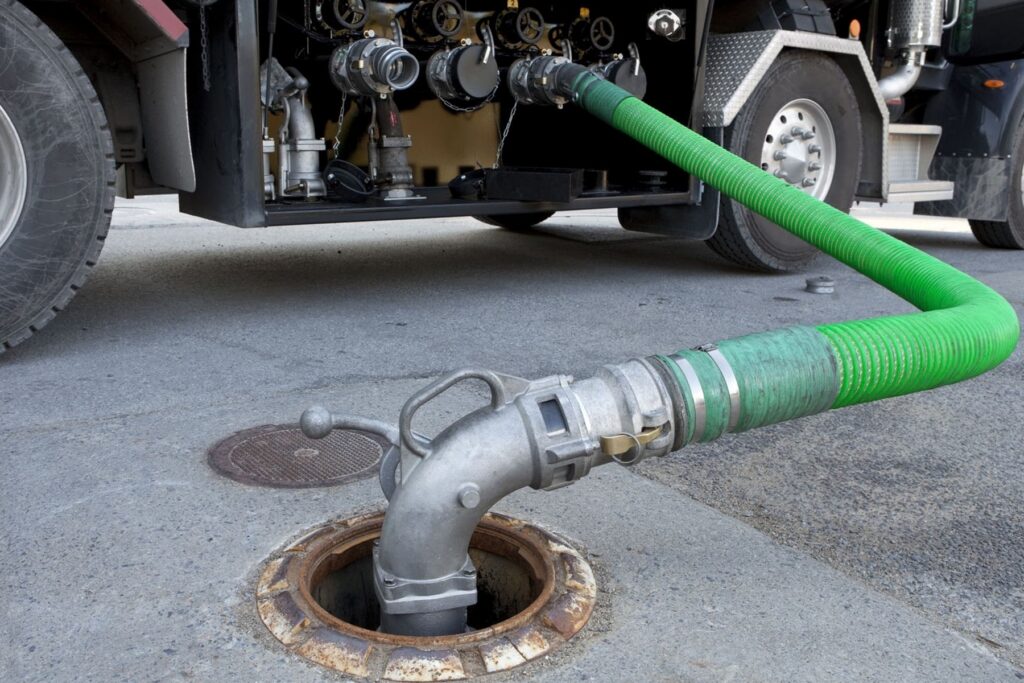
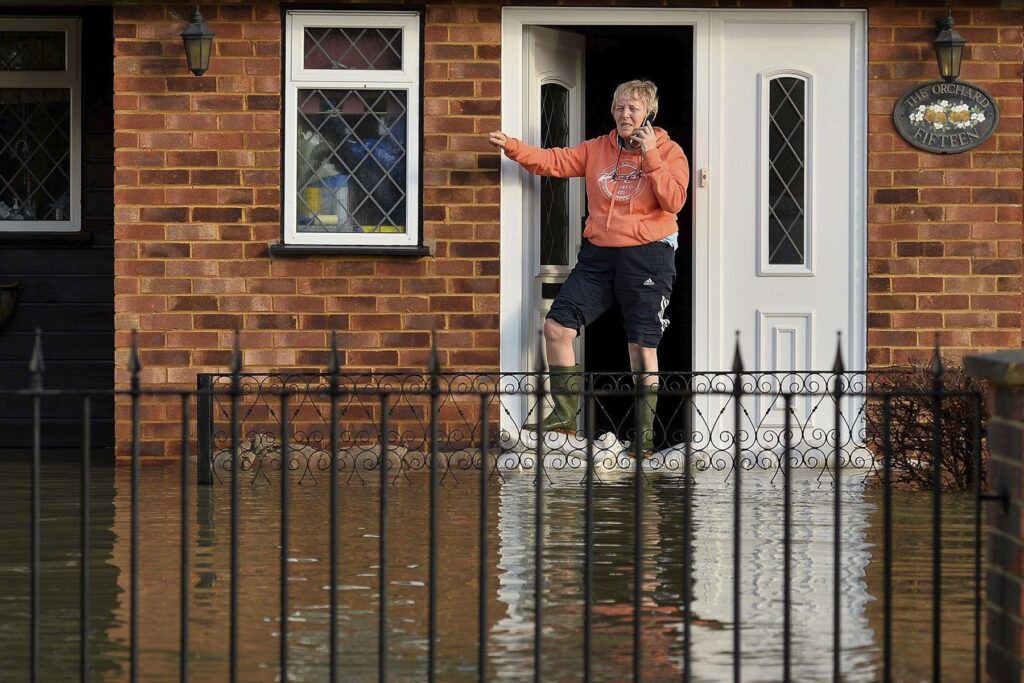
Following events like the Hobart Rivulet floods or inundation from the Derwent River, rapid removal of contaminated floodwater is critical. We manage the safe cleanup, sanitation, and drying for properties impacted by flash flooding, riverine flooding, or storm surge, from South Hobart to the low-lying areas of Lauderdale.

Storm Damage Restoration

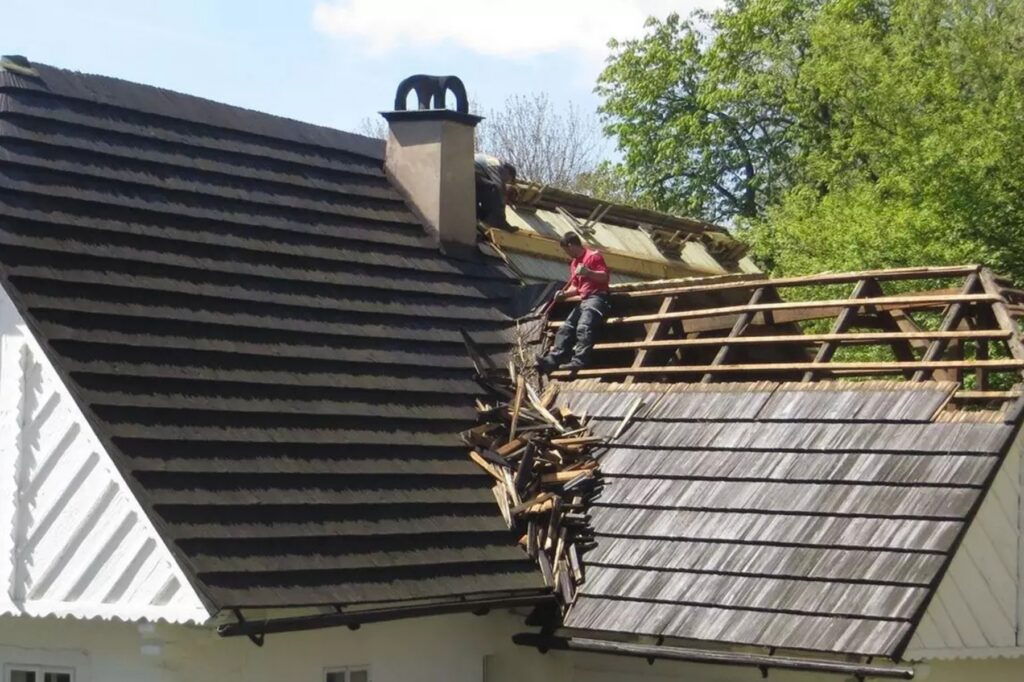
Our teams are equipped to handle water intrusion from intense frontal systems, damage to roofing from high winds, and flash flooding. The 2018 Hobart floods demonstrated how quickly communities from Kingston to New Town can be affected by extreme rainfall descending from kunanyi/Mount Wellington.

Contamination Cleanup (Category 2 & 3 Water)

We are equipped and trained to safely remediate structures affected by grey water (from appliance overflows) and black water (sewage backflows or floodwaters). This involves removing contaminants, treating affected materials, and sanitising all surfaces to restore a safe and healthy indoor environment, following strict IICRC S500 protocols.

Applied Structural Drying

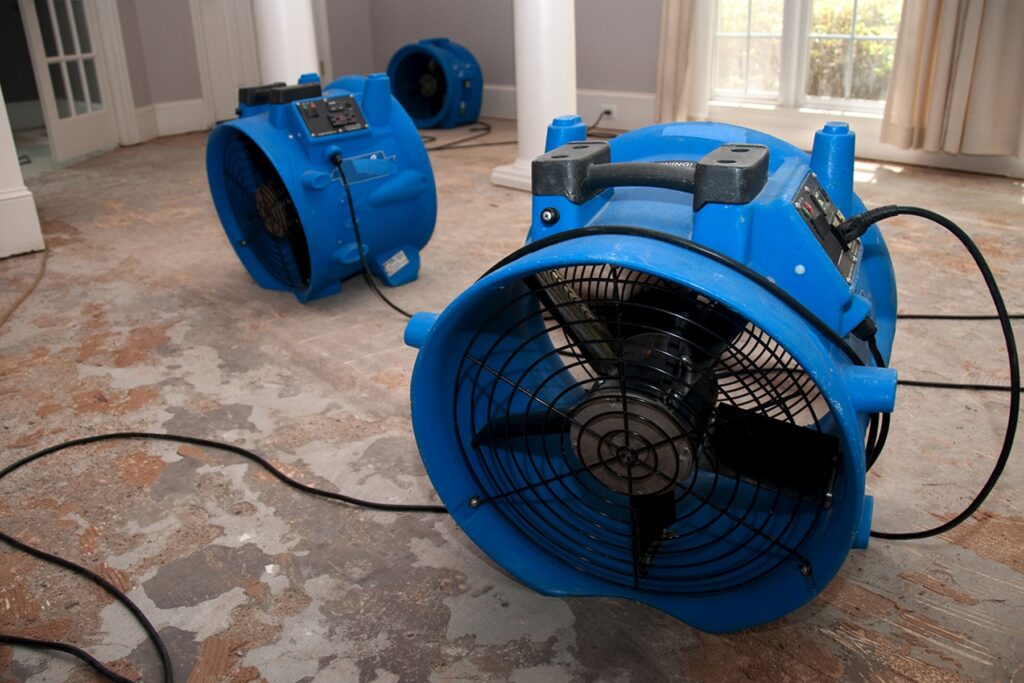
We use thermal imaging cameras and deep-wall probes to map hidden moisture saturation within wall cavities and under floors. This data guides the placement of high-velocity air movers and LGR dehumidifiers to create controlled drying environments. This methodical approach is essential for thoroughly drying dense materials like brick and sandstone without causing cracking or long-term damage.

Specialised Material Restoration

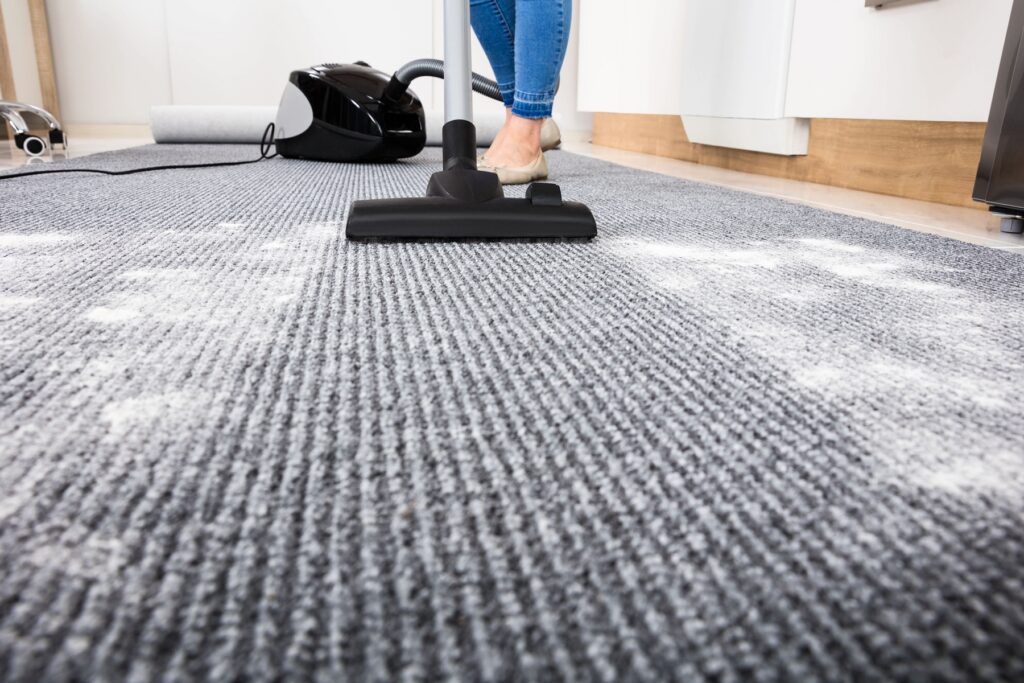
We have specific, tested protocols for drying the diverse materials found in Southern Tasmanian properties. This includes restoring saturated carpets in modern homes, carefully managing the drying of heritage sandstone foundations in Glebe and Battery Point to prevent salt efflorescence, and addressing water damage in Federation-era properties with lath and plaster walls.

Odour Removal

Many older homes in West Hobart and North Hobart suffer from damp, poorly ventilated subfloors. Water intrusion in these spaces often goes unnoticed until musty odours or warped floors appear. We specialise in accessing and drying these confined spaces, installing ventilation systems, and treating timber bearers and joists to arrest and prevent wood rot.

Mould Remediation

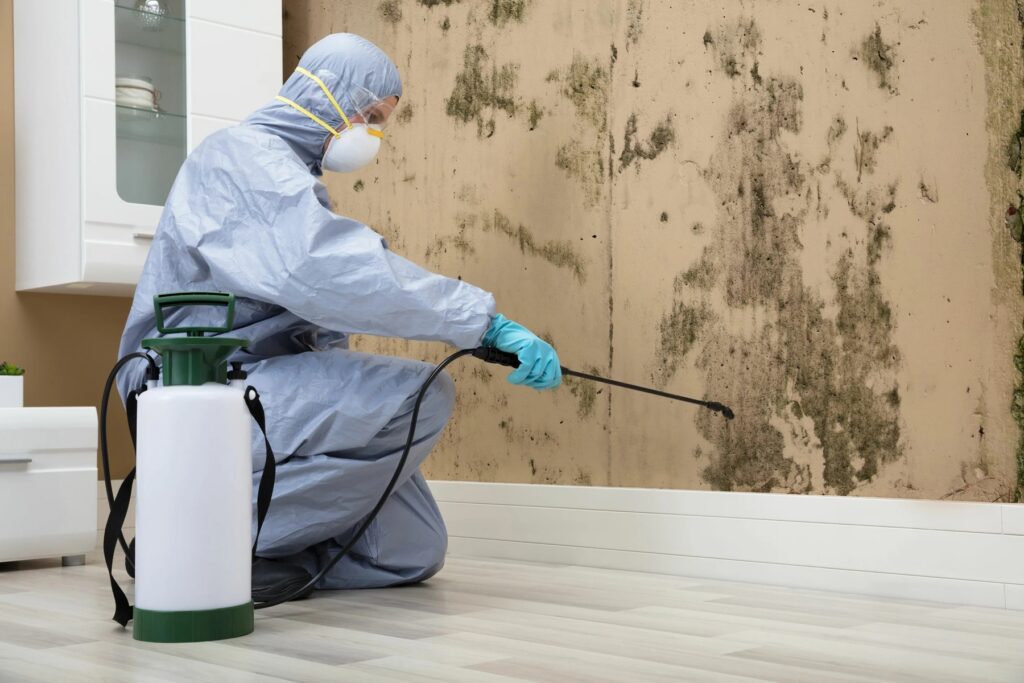
Our certified technicians conduct mould inspections, establish containment to prevent spore circulation, and perform safe mould removal. Crucially, we identify and provide guidance on rectifying the underlying moisture source, which is a mandatory step for preventing regrowth in Tasmania’s cool, damp climate. This is not just cleaning; it’s about solving the problem permanently.

Feedback from Our Hobart Clients

We have restored hundreds of water-damaged properties for homeowners, businesses, and body corporates across Southern Tasmania.

Susan P.
Susan P.
Kingston
The 2018 storm caused flash flooding that entered our downstairs rumpus room. The team responded on the same day, pumped out the water, and removed all the contaminated carpet. They documented everything meticulously for our insurance claim with RACT, which made the whole process stress-free.

Mark W.
Mark W.
Battery Point, Hobart
After a plumbing failure in the upstairs bathroom of our 1890s terrace, water came through the ceiling into the main living area. The team was here within 90 minutes. They knew exactly how to handle the lath and plaster ceiling and used specialised low-pressure drying equipment to save it. Their attention to detail for a heritage property was outstanding.

Emma T.
Emma T.
Glenorchy
A roof leak after a severe winter storm caused significant water damage in our main hall. The technicians set up a containment area and used an impressive array of drying equipment to dry the structure over a week. Their daily moisture reports gave us full confidence the job was being done properly.


Service Area: Greater Hobart and Southern Tasmania

We provide 24/7 water damage restoration services throughout Hobart and the surrounding regions, including:

IICRC-Trained Technicians for Tasmania's Temperate Climate

Every one of our lead restoration technicians holds IICRC certifications in Water Damage Restoration (WRT) and Applied Structural Drying (ASD). This formal, science-based training is the bedrock of our service. We combine this knowledge with years of practical, on-the-ground experience dealing with the specific challenges of our region, from burst pipes in freezing winter temperatures to complex multi-level water intrusions in apartments.

We invest in equipment specifically chosen for its proven performance in cool, humid conditions, such as Dri-Eaz LGR 7000XLi dehumidifiers and Phoenix Guardian air scrubbers. Our thermal imaging technology allows us to “see” behind walls and under floors, ensuring we locate and remove all trapped moisture that could lead to persistent mould or structural rot in the years to come.

Adherence to the AS/NZS S500 Restoration Standard

The AS/NZS S500:2025 is the official Australian and New Zealand standard for professional water damage restoration. It’s not just a guideline; it’s a formal, science-based framework for assessing, drying, and validating restoration projects. By strictly following this standard, we ensure our work is compliant, defensible for insurance claims, and effective at protecting the long-term value and structural integrity of your property.

Frequently Asked Questions About Water Damage in Hobart

Our team is on standby 24/7. For emergency calls within Greater Hobart, from the northern suburbs to Kingston, we typically arrive on-site within 60-90 minutes to begin assessment and extraction. A rapid response is vital to minimise damage, especially in our cool climate where unaided drying is ineffective.

Your safety is the priority. If water is near electrical outlets or appliances, turn off the power at the main switchboard if it is safe to do so. If possible, stop the water at its source, such as turning the main water valve to your property. Avoid using appliances or walking on saturated carpets if the ceiling below is sagging. Call our restoration team immediately. The faster professional drying begins, the lower the risk of permanent damage and mould growth.

The timeline depends on the extent of water intrusion, the affected materials (e.g., sandstone vs. plasterboard), and the time of year. In Hobart, the high relative humidity means drying without specialised LGR dehumidifiers and air movers is nearly impossible. A typical structural drying phase takes 3 to 7 days. Complete restoration, including any necessary repairs, will take longer.

 In Tasmania’s climate, mould growth is a near certainty if water damage is not addressed correctly and quickly. Mould spores can colonise damp surfaces within 24-48 hours. Our rapid response and use of specialised dehumidifiers are specifically designed to bring relative humidity down below the 60% threshold required for mould amplification.

Yes. We have extensive experience working with all major Australian insurance companies, including local Tasmanian insurers. We provide the detailed reports, moisture readings, and photographic evidence they require to process a claim efficiently, ensuring the restoration work is assessed and approved based on industry standards.

Urgent Water Intrusion Support in Hobart?

When you need a certified and methodical response to water damage, our Hobart-based team is ready to assist 24/7. Call now for immediate deployment.

Scroll to Top